Introduction
In today's busy globe, the capability to react effectively in an emergency can make all the distinction between life and fatality. One crucial skill that everybody should possess is Cardiopulmonary Resuscitation (CPR). This write-up dives deep into The Relevance of CPR Qualification: What You Need to Know, highlighting why getting a mouth-to-mouth resuscitation accreditation is not just useful but important for anyone looking to make sure safety and security in their community.
The Importance of mouth-to-mouth resuscitation Accreditation: What You Need to Know
When it involves conserving lives, understanding is power. CPR is an important ability that can be found out via numerous first help courses With heart attack being just one of the leading causes of fatality globally, having mouth-to-mouth resuscitation knowledge can considerably increase survival rates. According to the American Heart Organization, instant CPR can increase or even triple a sufferer's possibility of survival.
But just what does mouth-to-mouth resuscitation involve? It's a combination of upper body compressions and rescue breaths made to preserve blood flow and oxygenation throughout heart emergencies. While many individuals assume mouth-to-mouth resuscitation is only essential for healthcare specialists, the fact is that any individual can gain from learning this possibly life-saving skill.
What Does mouth-to-mouth resuscitation Certifcation Entail?
CPR certification normally entails finishing a training program that covers different skills, consisting of:
- Recognizing cardiac arrest symptoms Performing top quality breast compressions Administering rescue breaths Using an Automated External Defibrillator (AED)
These skills are usually instructed in conjunction with first aid courses, providing an extensive understanding of how to react in emergencies.
Why You Should Obtain Certified
Life-Saving Abilities: The most compelling factor for acquiring your CPR qualification is the ability to conserve lives. Having these skills prepares you for emergencies at home, at work, or in public spaces.

Confidence Increase: Recognizing how to perform CPR can improve your self-confidence when faced with an emergency circumstance. This guarantee permits you to act emphatically rather than freeze under pressure.
Career Opportunities: Several companies look positively upon candidates with certifications in emergency treatment and CPR. Area such as medical care, education and learning, and sporting activities training frequently need these credentials.
Community Influence: When a lot more people are trained in mouth-to-mouth resuscitation, areas end up being more secure locations. Envision attending a public event where various individuals recognize how to execute CPR; the chance of effective treatment raises exponentially.
Renewal and Continual Learning: Many accreditations require revival every 2 years or two, guaranteeing that individuals stay upgraded on ideal methods and any kind of modifications in guidelines.

What Are Your Options for Training?
There are various opportunities readily available for obtaining your mouth-to-mouth resuscitation qualification:
Online Courses
Online programs have actually gotten popularity because of their convenience. You can learn at your very own rate without geographical constraints.
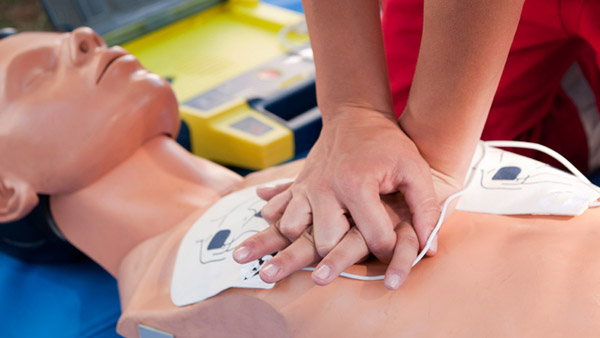
In-Person Classes
In-person classes offer hands-on experience under expert supervision, which can be very useful when it comes time to apply your abilities in real-life situations.
Combination Programs
Some companies use hybrid programs that incorporate on the internet concept with hands-on practice sessions.
Finding the Right First Aid Course
When picking a training program, think about aspects like place, price, period, and reputation of the establishment offering the course. Try to find accredited companies acknowledged by authorities like the American Heart Association or Red Cross.
How Typically Should You Refresh Your Certification?
Most certifications advise renewing every two years. Continuous practice ensures abilities continue to be sharp and current with existing guidelines.
Frequently Asked Questions (FAQs)
1. What Is Included in an Emergency Treatment Course?
A regular first aid course covers skills such as wound care, choking alleviation methods, basic life assistance (BLS), and CPR Course Brisbane how to use an AED together with mouth-to-mouth resuscitation training.
2. How Lengthy Does It Require To Obtain Certified?
Most courses last between 4-8 hours for first certification and might take much less time for revival courses because of previous knowledge.
3. Is Online Accreditation Valid?
Yes! As long as the program is certified by identified bodies like AHA or Red Cross.
4. Can I Use My First Aid Certificate Internationally?
It relies on the country's policies; nonetheless, several locations identify qualifications from well-established companies worldwide.
5. Are There Age Restrictions for Taking a Course?
Generally no; individuals as young as 12 can take most first aid courses with adult consent.
6. Do Companies Deal Team Discount Rates for Training?
Many organizations do provide discounts for team reservations that makes it simpler for companies intending to train several workers simultaneously.
Conclusion
Learning mouth-to-mouth resuscitation is not merely an option; it's a commitment we owe ourselves and our areas. The value of being prepared can not be overemphasized-- having your certification furnishes you with life-saving abilities that might make all the distinction during emergency situations. By enrolling in a trustworthy first aid course that includes extensive training on both first aid strategies and CPR treatments, you're taking positive actions toward ending up being a useful possession in situation situations.
As we've checked out throughout this article labelled "The Value of CPR Accreditation: What You Need to Know," it's clear that possessing these abilities boosts not only individual confidence but likewise area safety overall-- creating a causal sequence where readiness ends up being acquired behavior among all of us! So why wait? Sign up today!